Search results
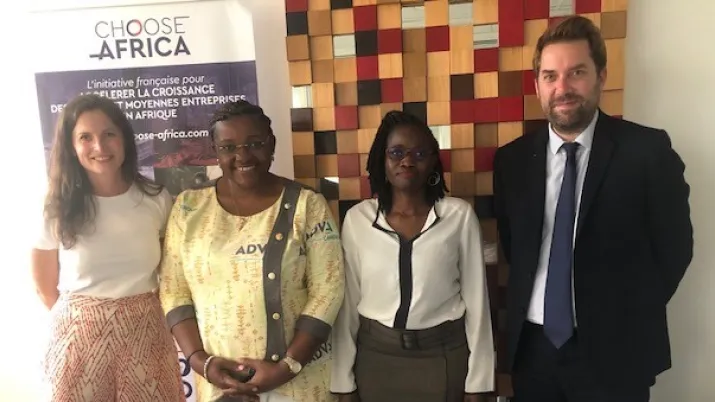
Proparco renews its support to Advans Cameroun, a financial institution serving micro-entrepreneurs
After an ARIZ TPE MINKA portfolio guarantee granted in April 2019, Proparco is renewing its support to Advans Cameroun with a €2 million guarantee as part of AFD Group's Choose Africa Resilience initi...
News
Published on
Enhancing water security in Africa : Metito’s mission in action
Metito, a leader in water management solutions, has addressed water scarcity across Africa since its founding in 1958. Specializing in desalination, wastewater treatment, water reuse, and industrial s...
News
Published on

SUEZ is innovating to improve access to essential water services
The strategic importance that the SUEZ group attaches to innovation is reflected in increased resources and a specifically designed organisation chart. Innovation at SUEZ underpins the transformation...
News
Published on

Assessment and outlook for DFI initiatives: towards greater efficiency ?
Over the past decade, health, climate and geopolitical challenges have increased exponentially. In response, Europe’s development finance institutions (DFIs) have stepped up their cooperation and anch...
News
Published on

How IFU continues to invest in Ukraine despite war and high risk
The Danish Investment Fund for Developing Countries (IFU) is working tirelessly alongside the Ukrainian government and society to support the country’s businesses and people. It follows a rigorous fun...
News
Published on

Developing and investing in frontier markets to achieve the SDGs
How FMO is working (providing technical assistance) and investing in frontier markets to develop opportunities into financeable projects.
News
Published on

DFIs’ key role in climate-change resilience
The climate challenge is daunting but technological progress and cost reductions are opening new investment opportunities all the time. We can look forward to a golden decade of climate investing.
News
Published on

Journey without Maps
Radical uncertainty in geopolitics and geoeconomics is set to increase, along with risks of crises – and the global community’s mitigating capacity is diminished. In a world without a global balance o...
News
Published on

Proparco signs its first credit line to a transport finance company in South Asia, Shriram Transport Finance C...
By granting USD 70 million to Shriram Transport Finance Company (STFC) for the financing of Compressed Natural Gas (CNG) light commercial vehicles, Proparco seeks to contribute to the mitigation of pa...
News
Published on
Alios Finance 2016
Alios Finance operates in several African countries and is specialized in leasing, especially auto leasing. The company is planning to develop – which will strengthen the local financing capacity, par...
Project

Financing and supporting SMEs, the example of Vatel Madagascar
This article was published in Jeune Afrique in December 2019.
News
Published on
Proparco participates in Metier’s new investment fund dedicated to sustainable infrastructure in Africa
Through a USD 10 million commitment to Metier Sustainable Capital International Fund II, Proparco will continue its support of renewable energy, resource efficiency and energy efficiency projects in A...
News
Published on
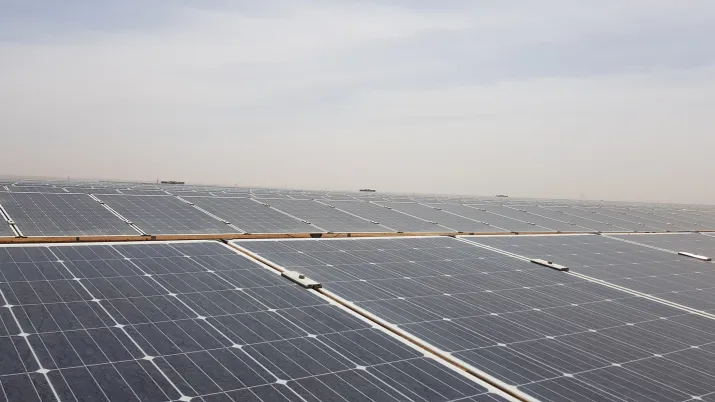
Proparco invests in RENSOURCE, its first transaction in partnership with the EU in the offgrid energy sector
With the support of the European Union (EU), PROPARCO invests USD 3 million equity in RENSOURCE (Holdings), a key player in the renewable energy sector in Nigeria. This is the first investment made by...
News
Published on

Proparco supports the Indian microfinance institution Annapurna with a credit line of USD 15 million
On the occasion of the 2020 edition of AFIForum, which takes place on January 22 and 23 in Bangkok, Proparco signed an agreement with the Indian microfinance institution (MFI) Annapurna, for a USD 15...
News
Published on

Proparco supports Faten, Palestine’s leading microfinance institution
Microfinance institutions play an essential role in supporting entrepreneurs and companies in creating jobs and increasing access to essentials goods and services. Through a 8 million loan granted to...
News
Published on
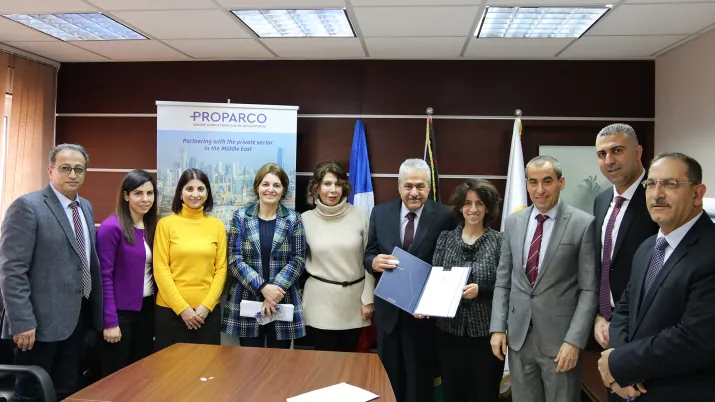
Proparco signs a new partnership agreement with Bank of Palestine to support the Palestinian SMEs
Proparco and the Bank of Palestine strengthen their strategic partnership through signing a USD 5 million risk-sharing facility agreement which will cover up to USD 10 million worth of loans granted b...
News
Published on

Harnessing the private sector to reduce gender inequality
The new issue of the magazine Private sector and Development focuses on the role of the private sector in reducing gender inequalities in developing countries. Despite increased awareness since the ad...
News
Published on

Proparco supports the development of the Mission laïque française
By granting 65 million euros to the Mission laïque française, historic operator of French education abroad, for projects in Morocco, Côte d'Ivoire, Lebanon, Egypt and Ethiopia, Proparco supports the d...
News
Published on
Alios Finance SA
Alios Finance operates in several African countries and is specialized in leasing, especially auto leasing. The company is planning to develop – which will strengthen the local financing capacity, par...
Project
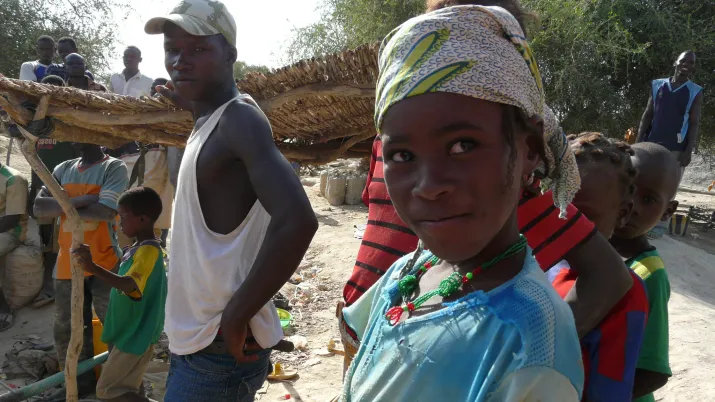
In the DRC, PROPARCO is supporting Advans, a financial institution for micro-entrepreneurs
Despite its exceptional mining resources, DRC is a Low-Income Country. The Congolese private sector is nevertheless resistant and continues to invest, with private companies playing a major role in th...
News
Published on