Search results
Addressing critical water shortage in Jordan: a collaborative effort
Guided by AFD and Proparco, DIWACO is addressing water scarcity in Jordan. Due to its record, the project is attracting interest from investors and commercial banks – notwithstanding its emerging mark...
News
Published on

Al Ambaratouria LL Taka Al Shamsia
Proparco is cofinancing a private 50 MW photovoltaic power plant in Northern Amman, with the aim of increasing Jordan's energy independence. It will be connected to the domestic grid via a contract wi...
Project
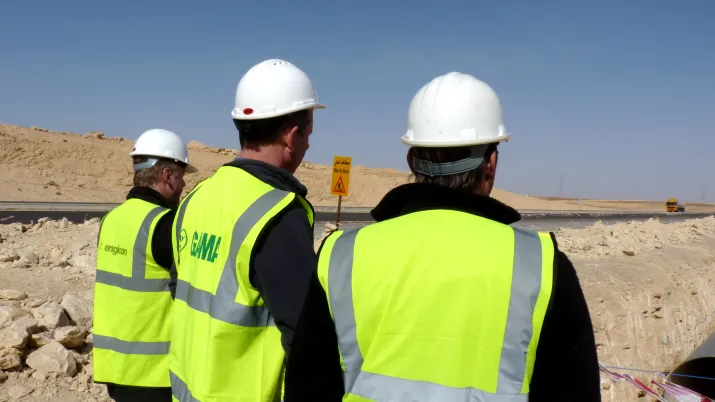

Non-Revenue Water is water wasted - is resource wasted
About a third of the world’s drinking water supplied to water utilities is lost before it reaches any users. This loss, referred to as Non-Revenue Water (NRW), is the most crucial metric in the manage...
News
Published on

Drinking water for rural and semi-urban areas in Africa: the need for private sector involvement
The drinking water sector in semi-urban and rural Africa has long been considered unprofitable and has not attracted the interest of the private sector. However, over 50% of the continent's population...
News
Published on

Proparco supports the development of Global Tea in Kenya and Malawi
Proparco, Si Advisers LLP ('Si') and IFU have signed an agreement to provide growth capital to Global Tea & Commodities (‘Global Tea’), a tea, coffee, and macadamia business with operations in Kenya a...
News
Published on
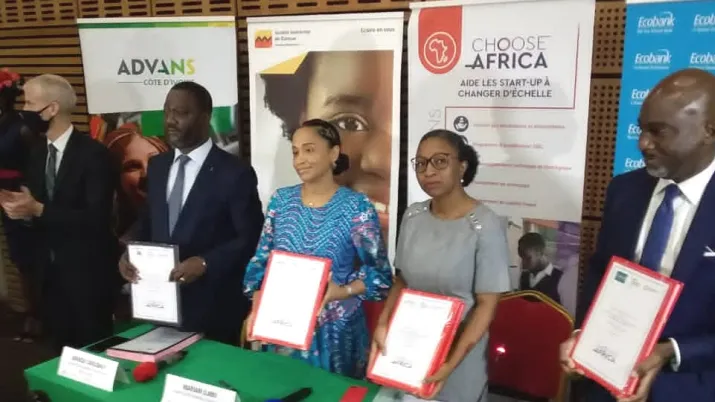
Côte d'Ivoire: PROPARCO is strengthening its partnership with ADVANS-CI, ECOBANK-CI and SIB to support Ivorian...
During the visit to Côte d’Ivoire by Mr. Franck Riester, the French Minister Delegate for Foreign Trade and Economic Attractiveness, PROPARCO and the financial institutions ADVANS-CI, ECOBANK-CI and S...
News
Published on
Proparco supports the growth of the Vitalis Group, a leading pharmaceutical company in Latin America
Proparco, alongside Acon Investments, DEG and FMO, acquired the Vitalis Group (Vitalis), a leading manufacturer and distributor of generic injectable pharmaceuticals with production facilities in Colo...
News
Published on
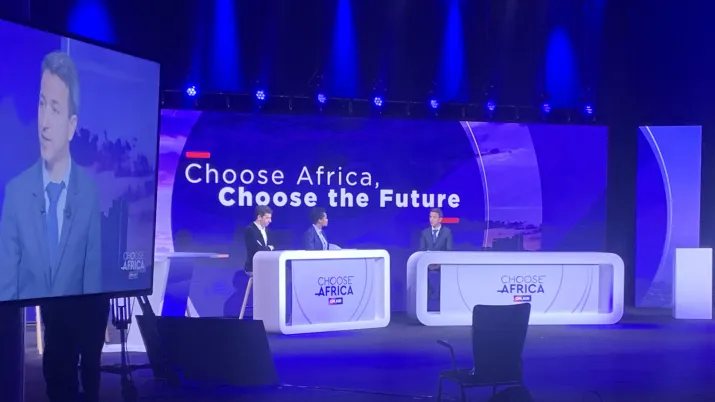
“Choose Africa on air” webcast: spotlight on entrepreneurial Africa
This event brought together a number of Proparco’s key economic stakeholders, entrepreneurs, experts and financial partners, both in a studio and via a live link-up from Africa. It was an opportunity...
News
Published on
Global gender finance initiative sets ambitious new $15 billion fundraising goal after securing more than doub...
Over 200 businesses in the developing world received investment over the last three years.
News
Published on
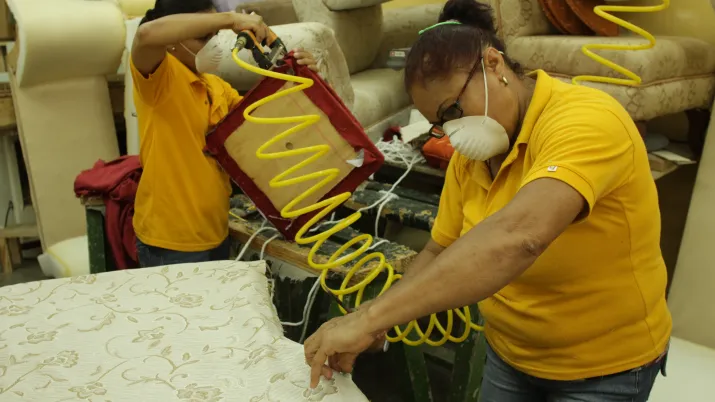
Banco Popular
PROPARCO is supporting credit for businesses – especially SMEs – by financing Banco Popular Dominicano, the country’s leading private bank. SMEs currently account for a third of its loan portfolio.
Project
IVORY COAST : Proparco and EAIF partner to finance the first biomass plant with grid injection in Africa
During the visit to Côte d’Ivoire by Mr. Jean-Yves Le Drian, the French Minister for Europe and Foreign Affairs, Proparco and the Emerging Africa Infrastructure Fund (EAIF) have closed a 165M EUR proj...
News
Published on
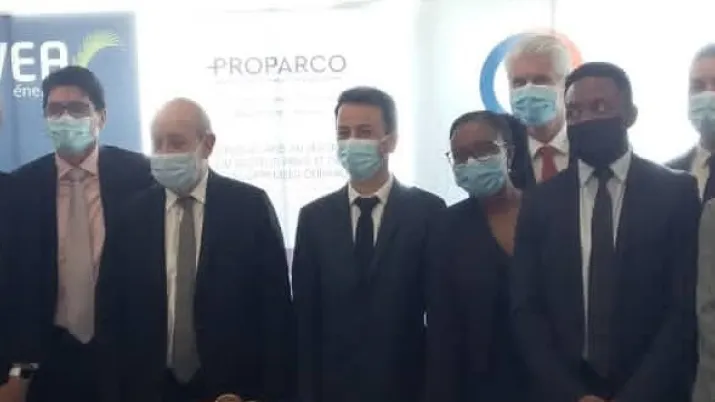
Proparco and Ecobank Liberia have signed a USD 10M Trade Finance guarantee
After a pilot Trade Finance project launched in 2017 with Ecobank Group subsidiaries in Mali, Burkina Faso, Guinea and Côte d'Ivoire (and their French subsidiary as confirming bank), PROPARCO has just...
News
Published on
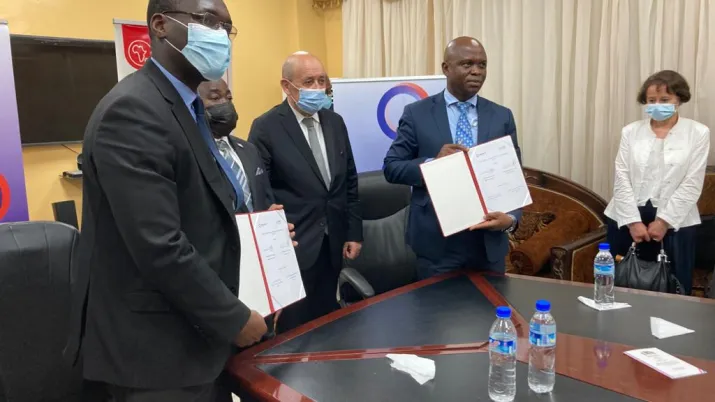
G7 DFI and multilateral partners to invest over $80 billion into African businesses over the next five years
The G7 DFIs, the IFC, the private sector arm of the African Development Bank, EBRD and the European Investment Bank today announced that they were committed to investing $80 billion in the private sec...
News
Published on
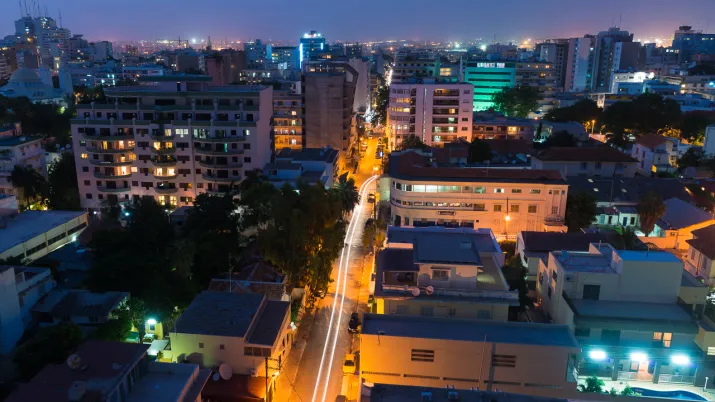
Proparco participates in Berkeley Energy’s new Africa Renewable Energy Fund II
The €130 million fund will focus on the development, construction, and operation of renewable energy assets and technologies across Sub-Saharan Africa.
News
Published on

Proparco 2020 Sustainable Development Report: A focus on Proparco’s project monitoring, its impact on gender ...
How does Proparco monitor the real impact of its projects? What impact do they have on female employment, and what measurement indicators has Proparco adopted? What does its extra-financial offer “PRO...
News
Published on
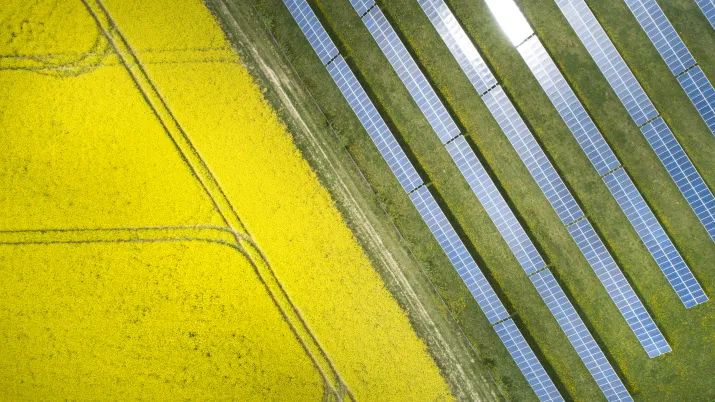
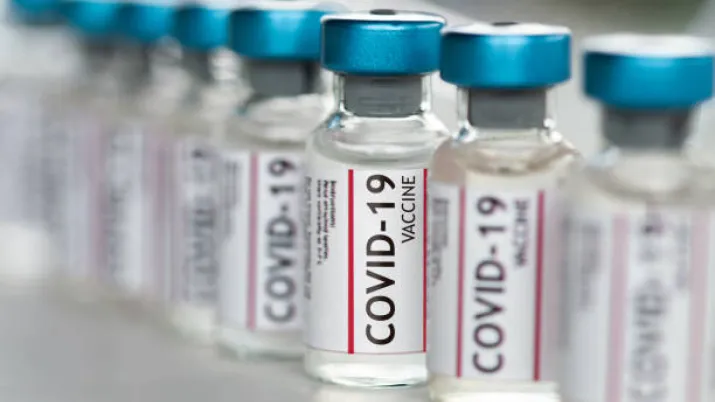
Proparco, IFC, DEG and DFC Support South African COVID-19 Vaccine Maker, Aspen
To support the development of vaccines for African countries, Proparco, IFC, DEG - the German development finance institution, and the U.S. International Development Finance Corporation (DFC) today an...
News
Published on
Launching a New Global Industry Body that Convenes the Entire Spectrum of Investors to Promote Gender Lens Inv...
Some of the largest household names in the global investment industry today announced that they would be backing a new industry body set up to promote investment in women.
News
Published on

Proparco and National Bank of Iraq have signed a $10 Million Trade Finance Guarantee
Proparco has just granted a trade finance guarantee for $10 million to National Bank of Iraq (NBI). This project is the first collaboration between Proparco and NBI and will support local importers in...
News
Published on

In Ecuador, PROPARCO has signed two new projects in the agribusiness and telecoms sectors
By allocating a USD 15m loan to SONGA, a shrimp producer, and a USD 25m loan to Phoenix Tower International Ecuador (PTIE), a telecoms company, PROPARCO has reiterated its support to Ecuador’s private...
News
Published on