Search results
A perspective on SME Financing in Africa
SMEs may account for the bulk of firms and employment in SSA, yet they contribute very little to GDP. This is partly due to the financing constraints they meet. However, these firms have considerable...
News
Published on

Developing organic fair trade sectors: the example of Kaoka
As an SME involved in cocoa production, Kaoka can see the destructive effects of an agricultural approach with little concern for the ecosystems where it is applied. By setting up organic fair trade p...
News
Published on
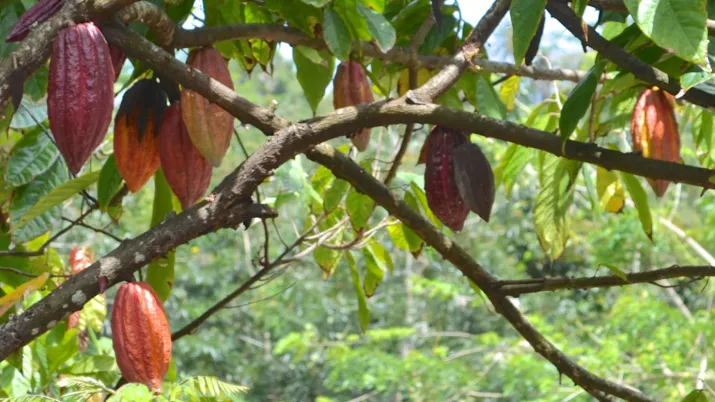
How a global farmers’ bank works to preserve biodiversity
How can farmers produce food for 10 billion people, while preserving biodiversity – the foundation that food systems rely on? This is a key question guiding the work of Rabobank, one of the world’s bi...
News
Published on

Incentivising corporate landscape restoration
In the face of the accelerating global climate-biodiversity crisis, and faced with the loss of carbon sinks and ecosystems critical to human survival, there has never been a more urgent need to restor...
News
Published on

Zoonoses and biodiversity: do we need to rethink environmental health governance?
The number of zoonosis epidemics is on the rise, fuelled by industrial farming practices, deforestation and the loss of traditional habitats. There is an urgent need to rethink health policy from a mu...
News
Published on
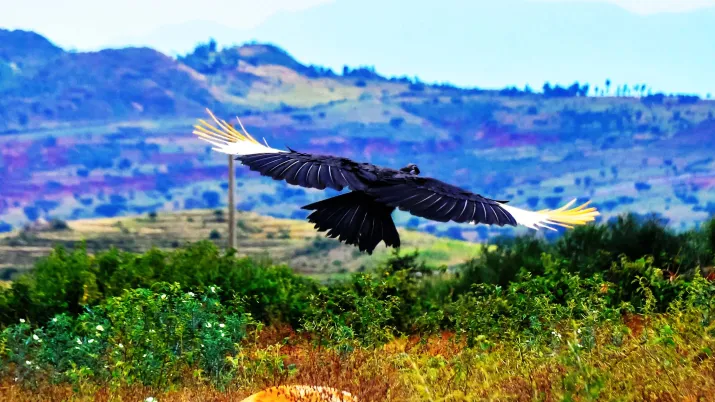
Restored rangelands enhancing prosperity in Southern Africa
In the drylands of Southern Africa, land degradation is increasing, reducing nature’s ability to regenerate pastures to sustain livestock and wildlife. Unaddressed, degraded rangelands can become “was...
News
Published on
Total’s approach to tackling biodiversity challenges
Back in 2005, Total introduced an ambitious biodiversity protection programme. Today, the Group is committed to protecting the environment at both local level («biodiversity action plans» for new proj...
News
Published on

Partnerships between civil society and the private sector to protect sensitive regions
The CEPF is a fund specialised in supporting partnerships between environmental protection associations and economic stakeholders. When civil society comprises a wide range of organisations - a divers...
News
Published on
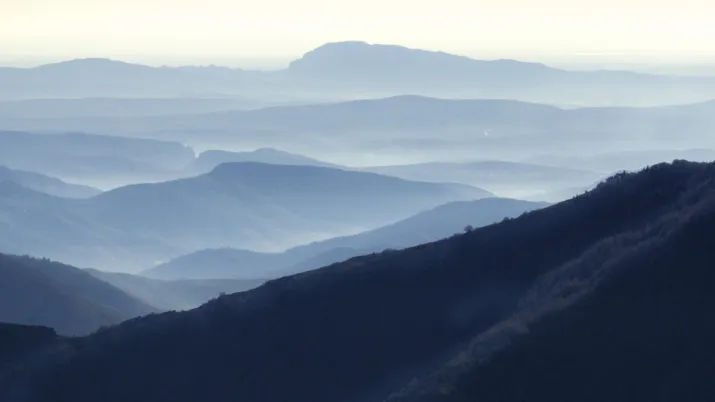
Recommendations for integrating biodiversity into the wind energy sector in emerging market countries
Renewable energy is essential to achieving sustainable development, and wind energy can provide competitively priced electricity, while helping to reduce climate change impacts. Yet its impacts on bio...
News
Published on
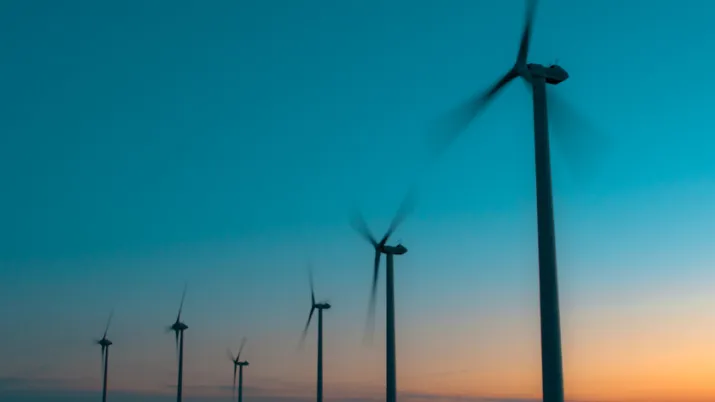
The Nature Conservancy: using technology to protect tuna stocks
Climate change, pollution, and overfishing are putting enormous pressure on the Pacific. Against this background, the eight island nations that make up the Nauru Agreement (PNA) – which controls 70% o...
News
Published on
Evolving in order to provide more effective solutions to environmental challenges
Veolia’s historic mission and the development of its businesses have made it a stakeholder who wishes to actively contribute to reducing anthropogenic environmental pollution. Like all industrial busi...
News
Published on

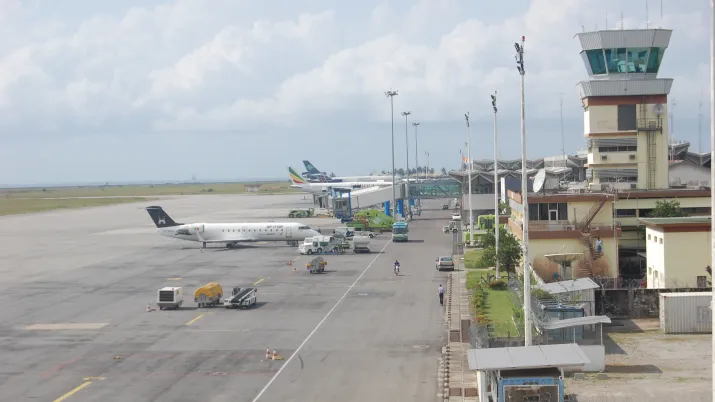
AERIA 2012
Félix-Houphouët-Boigny Airport is managed under a concession by AERIA and needs to be developed and upgraded. By participating in financing the investment plan, Proparco is supporting the economic dev...
Project

Protecting biodiversity for The Long Run, a holistic approach?
Faced with the current biodiversity and climate crises, privately protected areas, which play a pivotal role in biodiversity conservation, can improve the resilience of the conservation sector. The pr...
News
Published on

Diversifying funding for biodiversity conservation
Funding biodiversity conservation is no longer a government-subsidy and grant-giving game only. However, a financing shortfall of USD 598-824 billion per year remains. To fill this void, the private s...
News
Published on
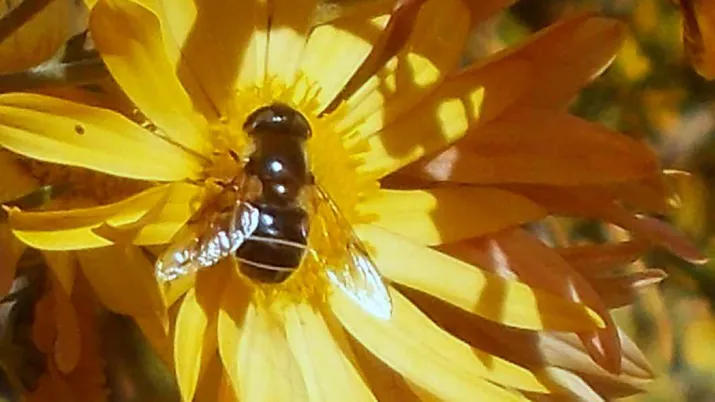
Nature Positive: turning biodiversity from a risk into an opportunity
Globally, the natural world on which people and economies depend is in crisis. Species are declining, biodiversity loss and novel diseases, such as Covid-19, all pose business risks, but the renewed i...
News
Published on
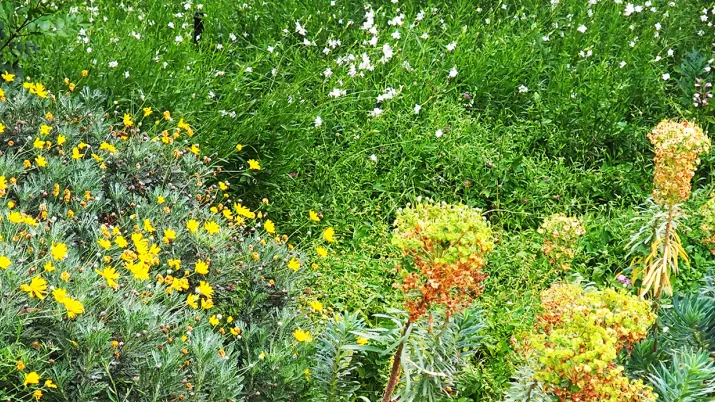
Towards eco-systemic concessions: an introduction to the coming age of forests
In the face of wholesale anthropogenic and climate-related threats, the planet’s four billion hectares of forests are now more valuable than ever. As a reaction to this pressure, in the Congo Basin fo...
News
Published on
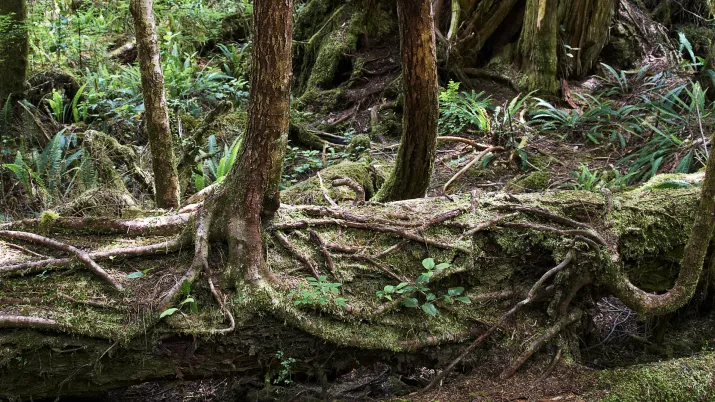
Enhancing the export competitiveness of the textile and clothing sector in developing countries
Over the years, assembling clothing has become a commodity. However, mere cut and sew operations are no longer a sustainable offering. To achieve the employment targets envisaged by governments, compa...
News
Published on
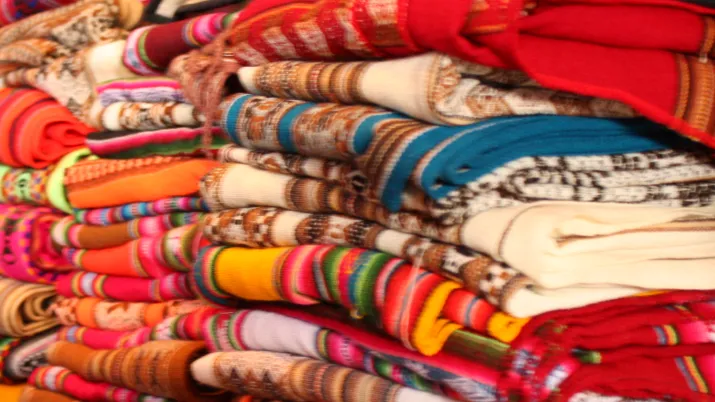
Textile industry: Towards a new economic model to stamp out human rights violations in the workplace
The textile industry employs millions of people in developing countries. Yet its economic model (pressure on costs and lead times, large volumes, frequent renewal of collections, low prices) leads to...
News
Published on

Dolidol: a showcase for “Made in Morocco”
The CEO of Dolidol tells us about how attached Moroccans are to a traditional product, the Moroccan lounge (comprising L-shaped or U-shaped sprung sofas), and to a local brand, especially in these tim...
News
Published on