Search results
African railway concessions, a step forward but not the whole answer
Railway concessions in Africa may present significant difficulties but they do often improve economic results and service quality. If they are to be effective, African concessions must be based on joi...
News
Published on

The paradox of the Djibouti-Ethiopia railway concession failure
The Djibouti to Ethiopia railway line concession ended in failure despite the fact that the rehabilitation project was considered viable and that it was also fully coherent from a political and econom...
News
Published on

Impact Data, online platform for collecting impact data
As a development finance institution, Proparco is committed to promote transparency and accountability in assessing the social, economic and environmental impacts of its financing operations. With the...
Editorial page
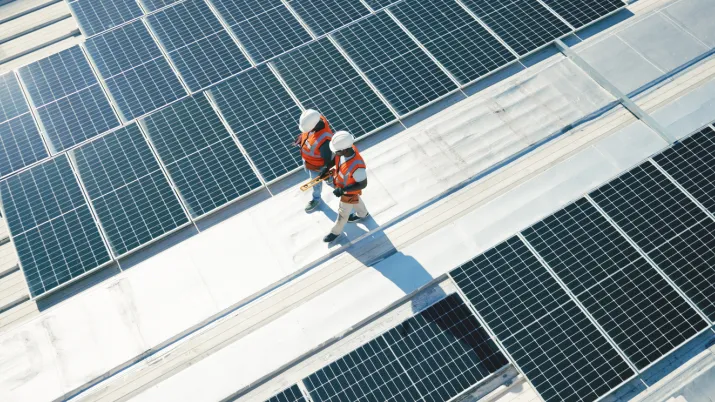
Improving concession contracts in sub-Saharan Africa
Thanks to its experience in Africa's rail sector, the European Investment Bank can determine optimal conditions for implementing a concession. The conceding authority must first and foremost be strong...
News
Published on

Developing Africa's railways using existing infrastructure
Although it may be difficult to make a final assessment of rail concessions in Africa, it is possible to point up the conditions that foster private sector involvement. In order to upgrade infrastruct...
News
Published on

Railway concessions in Africa : difficulties encountered and possible solutions
Although railway lines may offer a great economic interest for certain African States, private players such as Bolloré Group, which manages Sitarail and Camrail under concessions, have to face a whole...
News
Published on

A balance between public and private sector roles : the key to a successful rail concession
When it comes to transport capacity, cost per kilometer, longevity and safety, railways are preferable to roads. However, concessions have not promoted private investment as much as expected and have...
News
Published on

Getting the mining sector to work for Africa: the role of DFIs
The role played by Development Finance Institutions (DFIs) in the rapid development of Africa 's mining sector has seen a slight downturn. This can be explained by the strong presence of private inves...
News
Published on

The singular identity of a true "African child"
Mwana Africa – a mining company founded and managed by Africans – bases its development strategy on diversity (geographical sites, minerals exploited) and responsibility. Although employee safety is a...
News
Published on

The role of transparent and fair taxation in converting Africa's mineral wealth into development
The mining industry does not contribute enough to Africa 's development – when it does not make local populations poorer and destroy the environment. Its fiscal regime needs to be overhauled, with a g...
News
Published on

What are the impacts of the African mining sector liberalization?
Mineral sector reform has brought mining back to Africa - aided by price rises in the early 2000s - mpacting on investment, growth and poverty reduction. And there are no indications that price trends...
News
Published on

The rise of emerging players in global mining: drivers and future challenges
Mining companies in emerging countries benefited from market liberalization and the surge in raw materials prices between 2003 and 2008. This allowed them to strengthen their balance sheets, invest in...
News
Published on
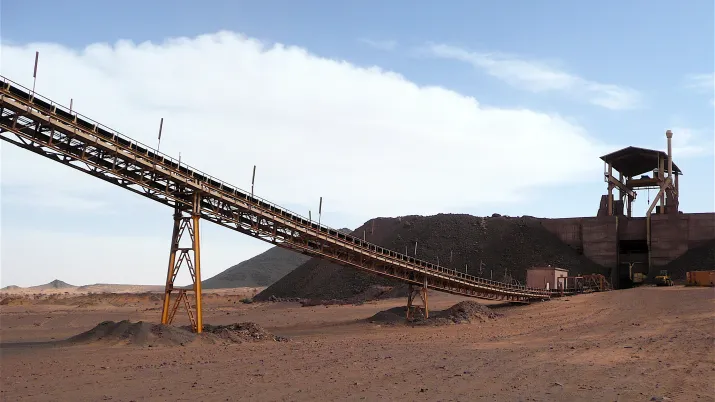
Investment in junior companies: laying the foundations for economic development in Africa
Investing in junior mining sector players is much more than a simple opportunity: it can catalyze growth in Africa. New fields can, for example, be exploited thanks to junior players; despite fluctuat...
News
Published on

Aavishkaar
Aavishkaar Frontier Fund invests in companies in Bangladesh, Pakistan, Sri Lanka and Indonesia, which have an inclusive economic model and whose activities have a positive impact on low-income populat...
Project
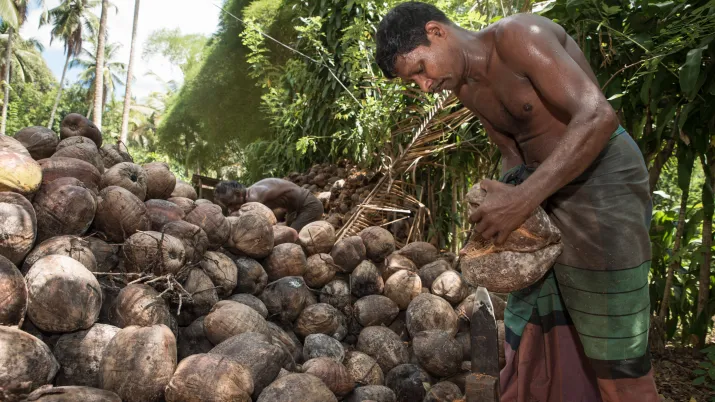
Palmis Enèji: from NGO to enterprise - the story of a social business in Haiti
In 2012, the French NGO EDM launched a programme to distribute Palmis Enèji cooking and lighting appliances to meet energy demand among the poorest sections of the Haitian population. Two years ago, t...
News
Published on

The diversity of social business: the case of Madagascar
Despite a troubled macroeconomic and political environment, Madagascar possesses a fairly diversified, dynamic economic fabric in comparison to other countries with a similar level of development. Thi...
News
Published on

Access to quality sanitation in kenyan slums: Sanergy's model
Sanergy strives to leverage the entire sanitation value chain to create vibrant micro-businesses in informal settlements and by-products that can be marketed to Kenyan farmers. Hazardous waste is remo...
News
Published on
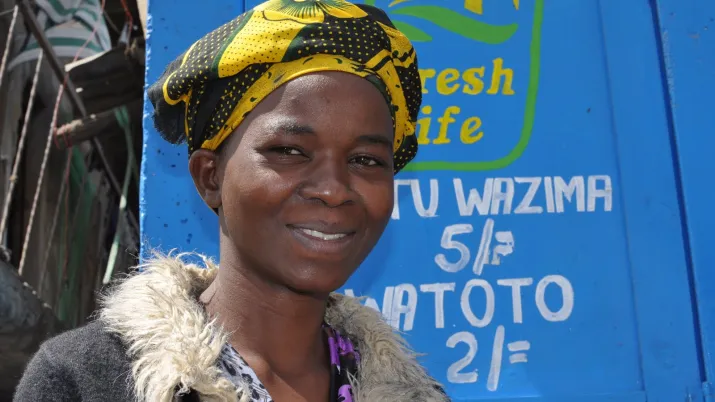
The ambitious and challenges of social business - Better definiting and structuring the sector
Social business is a demanding business model: social enterprises pursue social or environmental goals while also seeking long-term profitability and they face many challenges. In the wide- ranging ‘i...
News
Published on

Sub-Saharan Africa: Growth also depends on the funding of affordable housing
Well-functioning areas are a key issue for Africa’s development. The housing sector, with the construction of millions of affordable homes for the masses in Africa, represents a major challenge but al...
News
Published on

The Big Bang in Big Data: an opportunity for African urban policies
Each day, our intensive use of information technologies generates trillions of data bytes termed “Big Data”. Some big data has a high socio-behavioural value and may therefore be of use in producing d...
News
Published on