Search results
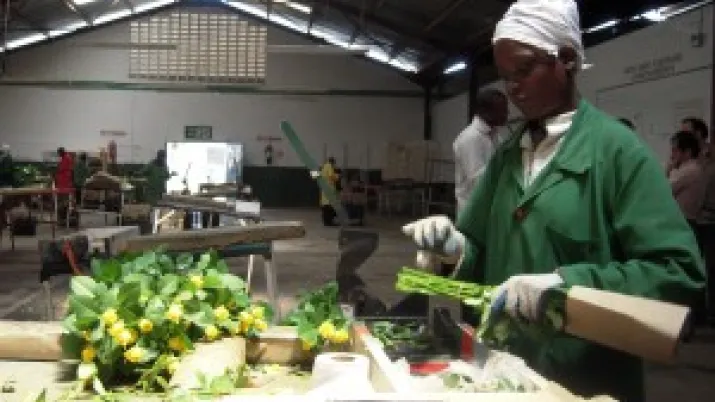
Promoting local agricultural production in an emerging country: the example of Les Vergers du Mékong
By promoting the fruit, coffee and tea production of smallholders in Vietnam, which is subsequently processed locally into products with high added value, Les Vergers du Mékong ensures profitability w...
News
Published on
Agriculture: Nigeria’s job creation engine
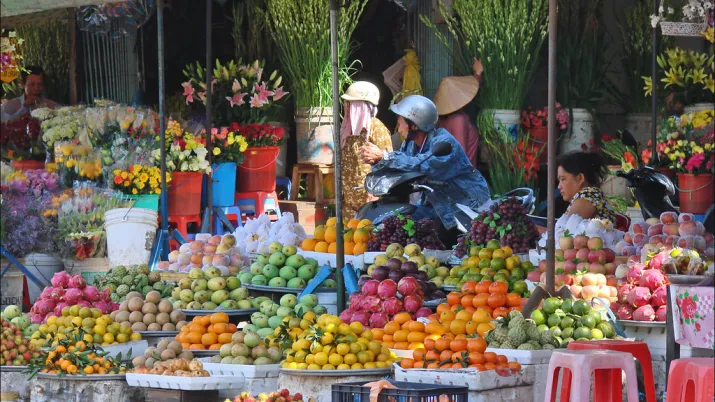
Unemployed youth in Nigeria are estimated at over 60%. As this figure increases, so does the risk of insurgencies. The solution could come from agriculture; yet young smallholders face the problem of...
News
Published on

Agri VIE 2
By supporting Agri VIE II, a development capital fund specialized in agroindustry in Sub-Saharan Africa, FISEA is contributing to structuring companies which are not yet mature, but have high potentia...
Project
Strengthening value chains in Africa: conditions for sustainable contractual arrangements
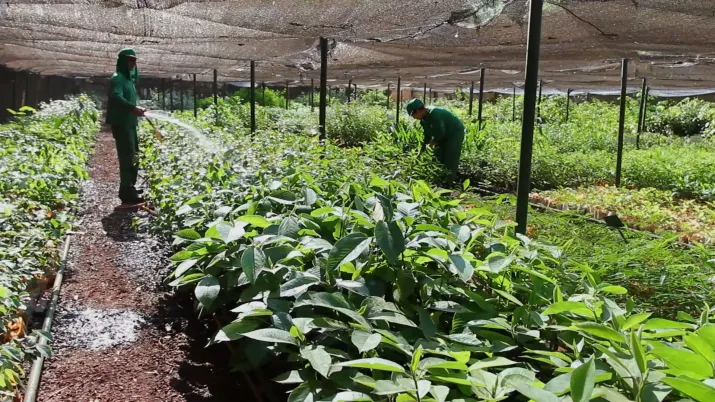
Africa continues to suffer from extreme poverty and malnutrition and the agri-food sector faces numerous challenges. Contract farming can boost value chain efficiency by enhancing coordination between...
News
Published on

Using the Theory of Change to optimize the investment impact
Agricultural programmes are a preferred instrument to achieve positive impact on local communities. Today’s DFIs, including Proparco, are looking for financial results but also aim to achieve economic...
News
Published on
Under what conditions do labels support development? The example of coffee
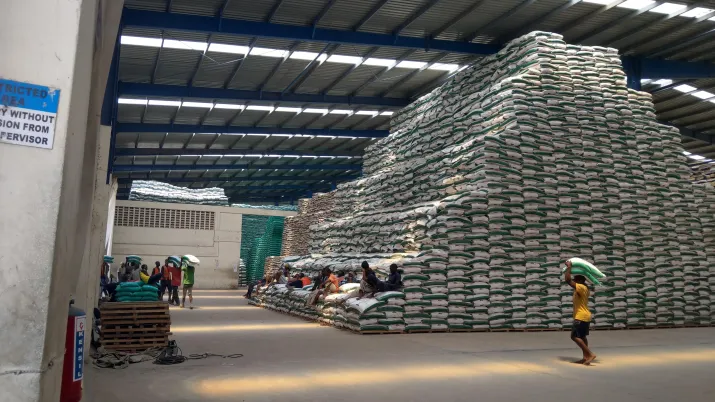
The coffee sector, a source of income for 25 million producers around the world, is faced with social and environmental challenges which have led to it being a focus of attention for certifications an...
News
Published on
The role of agribusiness in development: a long-standing debate
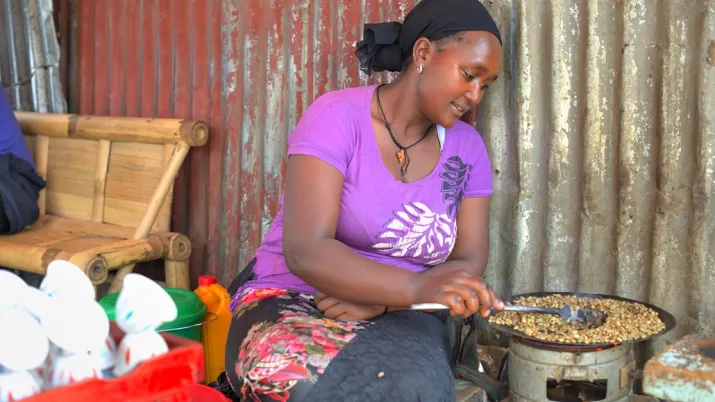
Agribusiness and its role in economic development has given rise to much debate. Although it is frequently perceived in terms of negative externalities, it remains a solid vector for creating jobs and...
News
Published on

Corporate governance: journey of a Kenyan bank
I&M's corporate governance structures have evolved considerably, driven in particular by the regulatory framework and I&M's aspiration to professionalize and enhance its governance framework. As acqui...
News
Published on

Promoting good corporate governance: the Peruvian experience
“Good corporate governance guidelines for Peruvian companies” were published in July 2002 with the aim of strengthening and enhancing governance in the country’s businesses. Ten years later it appeare...
News
Published on

INAD-CI, an association of company directors promoting good governance
The National Institute of Directors of Côte d’Ivoire (Institut national des administrateurs de Côte d’Ivoire – INAD-CI) was set up in April 2013 by a group of corporate executives and professional org...
News
Published on

Reforming governance in pursuit of growth: the case of Adenia and Opham
Adenia Partners is closely involved in the day-to-day management of its investees. In particular, it has partnered Opham, a Malagasy pharmaceutical products distributor, and recast its corporate gover...
News
Published on
Good governance practices: Organizing business succession
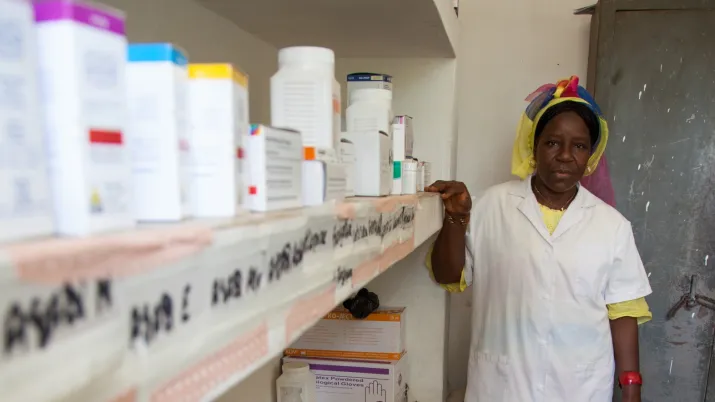
Not planning your succession often means planning the failure of its transfer. Consequently, a successful transfer generally entails a successful planning of the succession. To achieve this, this plan...
News
Published on

Agri VIE 2 - Proparco
Agri VIE II is a development capital fund specialized in agroindustry in Sub-Saharan Africa. It supports projects that promote the local manufacturing of products which were previously imported, as we...
Project
An example of commitment to good governance: DFIs and corporate governance support
With the collaboration of the CGDF Working Group: Marta Viegas-Rocha (IDB Invest), President; Sanaa Abouzaïd (SFI); Elisabeth Alpe (ADB); Vassilis Christakis (BSTDB); Andres Oneto (CAF); Shirley Payet...
News
Published on

Start-ups and digital innovation: fertile ground for social transformation in Africa
Social innovation in Africa is currently closely bound up with the digital revolution. To generate economic development that benefits as many people as possible, the digital sector must conserve all o...
News
Published on

Using measurement to enhance and share social business practices
To achieve credibility, social entrepreneurship must spell out the basic principles underlying its practices and objectively measure its outcomes. Measuring social performance – particularly by analys...
News
Published on
What is the Actual Performance of Public-Private Partnerships for Urban Water Utilities in Developing Countrie...
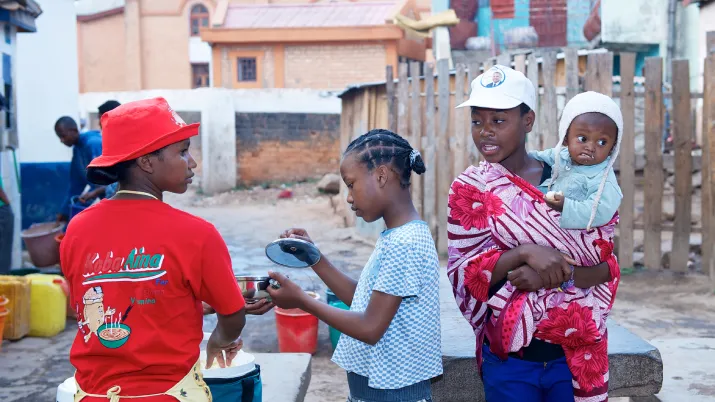
By examining progress achieved and problems encountered by 65 public-private partnerships (PPPs) implemented on different continents, a recent World Bank study is providing some objective facts from a...
News
Published on
SME access to financing: capacities matter as much as resources
Donors must not simply focus on adopting strategies based on providing financing, they must also focus on demand. One of the reasons why it is difficult for SMEs to access financing is they are unable...
News
Published on
Private equity investment in sub-saharan african SMEs
SME financing cannot be enhanced simply by scaling up volumes of financing. SMEs need to upgrade so that they can meet the eligibility criteria of bankers and other investors. I&P is aware of the diff...
News
Published on

The difficulties bank face in financing SMEs in Sub-Saharan Africa
Firms and banks alike would seem to be responsible for the lack of SME financing in SSA: firms because of their shortfalls in meeting the classic requirements of the banking sector and banks because t...
News
Published on