Search results
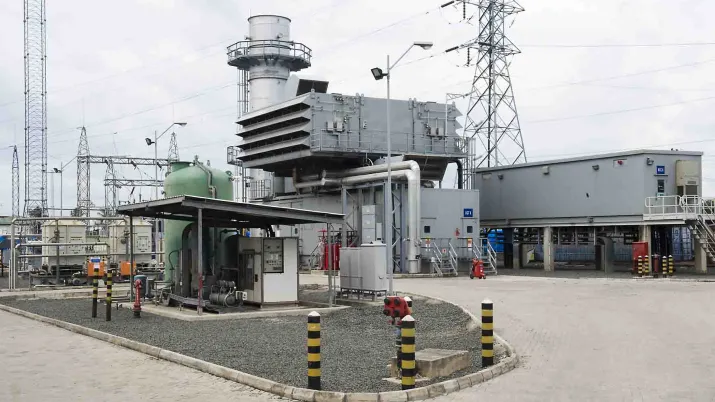
Assessing the impacts of new IPPs at country level? Case study on Kenya
Independent power producer (IPP) investments are making a real contribution to increasing the provision of electricity in Kenya, and in reducing outages. This analysis demonstrates the development pot...
News
Published on
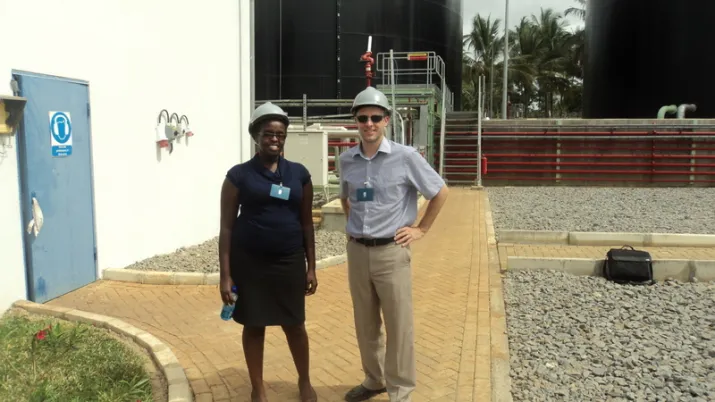
Driving growth by providing economically sustainable power
Globeleq focuses on independent power projects (IPPs) in the emerging markets of Africa and Central America. The company is dedicated to enabling growth; the good performance of its operations; delive...
News
Published on
Stimulating private investment in the forestry sector
Deforestation has devastating effects in developing countries. Managed sustainably, forestry projects provide solutions to economic, environmental and social problems by creating jobs, developing infr...
News
Published on
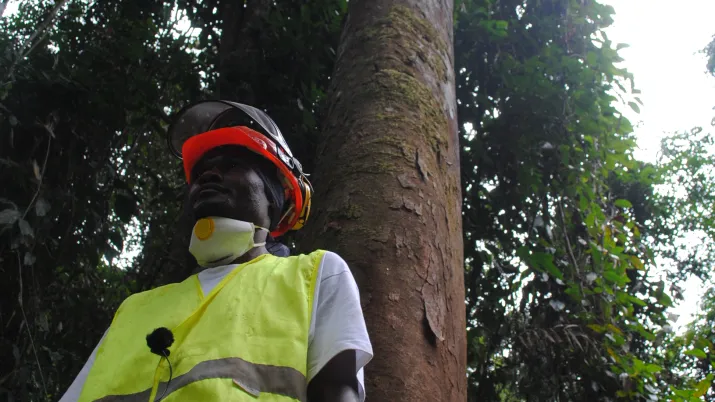
Preliminary feedback on FSC certification from an operator's point of view
In 2008, Rougier embarked on the process of securing FSC certification for its Gabon concessions and for its traceability chain (FSC-C017653). The decision was essentially a leap of faith: at that tim...
News
Published on

Forest management plans in the Congo basin
More than half the forests in the Congo Basin have been allocated as concessions, and most are covered by Forest Management Plans (FMPs). The introduction of these plans – supported by French cooperat...
News
Published on
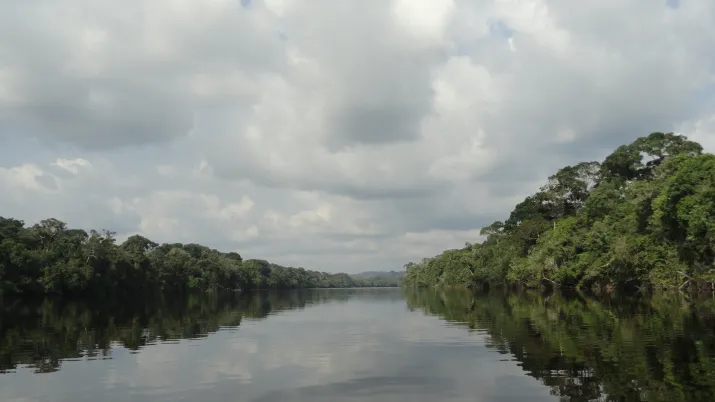
Forest management by community forest enterprises
For conservation to be synonymous with development, local populations need to be involved in forest management. Traditional community-based forest management is, however, not without its drawbacks. Th...
News
Published on
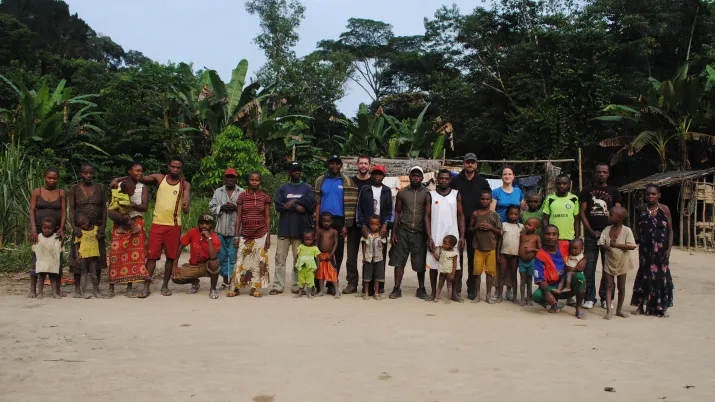
Developping the forestry sector with carbon markets
Forests are vital carbon sinks. Although forestry projects dominate the voluntary carbon markets, they still occupy a marginal position on the larger, compliance markets. This is mainly due to their i...
News
Published on
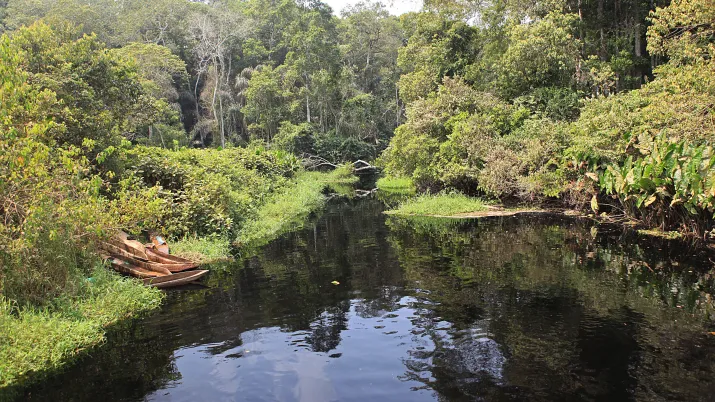
Forestry assets in Africa : promising returns
Solid biological growth rates, low establishment and maintenance costs, land availability, and demand for forestry products make Africa an attractive forestry option. Typical emerging market risks as...
News
Published on
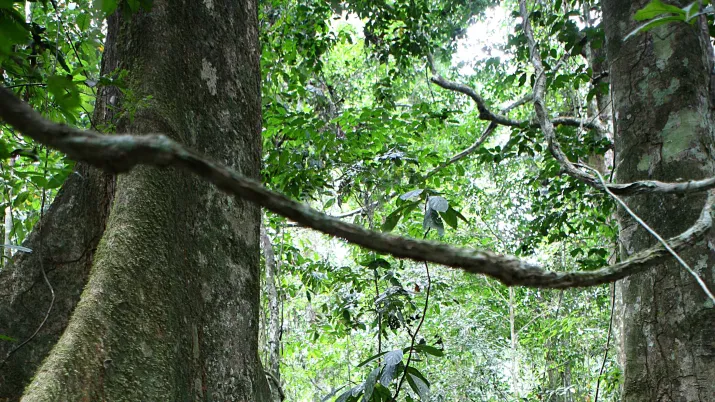
Meeting the challenge of sustainable forest management
Forests serve ecological functions (they regulate the water cycle, sequester carbon and help preserve biodiversity), social functions (providing places to live, a means of subsistence) and economic fu...
News
Published on
Refining trade regulation to support and stabilise local agricultural production in Africa
Rice and sugar production in West Africa is inadequate. Imports meet a significant proportion of this region's consumption requirements, undermining its food sovereignty. Trade regulation, if it is mo...
News
Published on
Africa at the heart of growth
The agricultural sector in sub-Saharan Africa is impeded by numerous constraints: production weaknesses, the difficulty of accessing finance, infrastructure conditions and the impact of the regulatory...
News
Published on
Challenges for agricultural financing
With state funding coming to an end, Ghana's Agricultural Development Bank is reorganising to meet the agricultural sector's needs more effectively – stepping up its strategy of specialisation, creati...
News
Published on
Village plantations central to sustainable agribusiness
Development of village plantations is a major contributor to the expansion of sub-Saharan Africa's agribusiness sector. SIFCA has instigated a strategy to assist outgrowers and in particular to suppor...
News
Published on
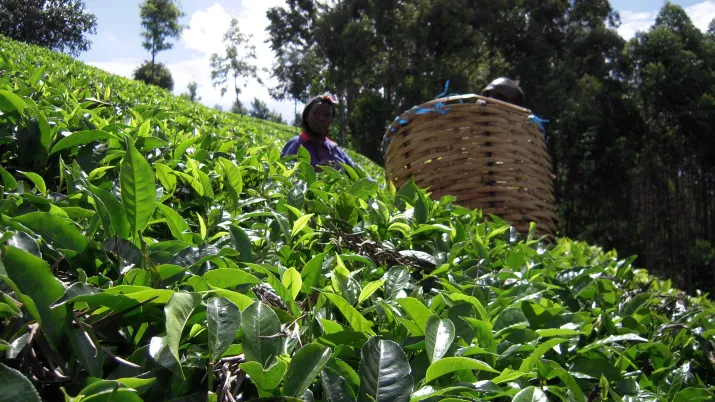
The volatility of agricultural prices undermines food security in developing countries
The volatility of agricultural prices undermines food security in developing countries. It is a well-known issue which calls for proactive, consistent agricultural policies that address the various ri...
News
Published on
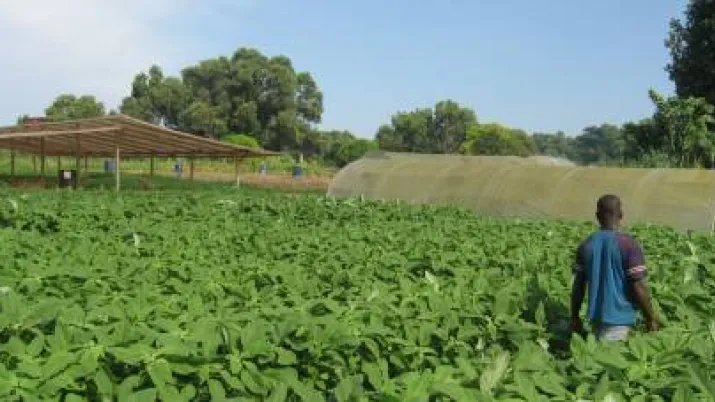
Strengths and weaknesses of Africa's agrifood industries
Africa's agrifood sectors are booming. Besides producing food for local consumption, the food industry is supplying the towns with processed products. However, a lack of facilities and equipment, poor...
News
Published on
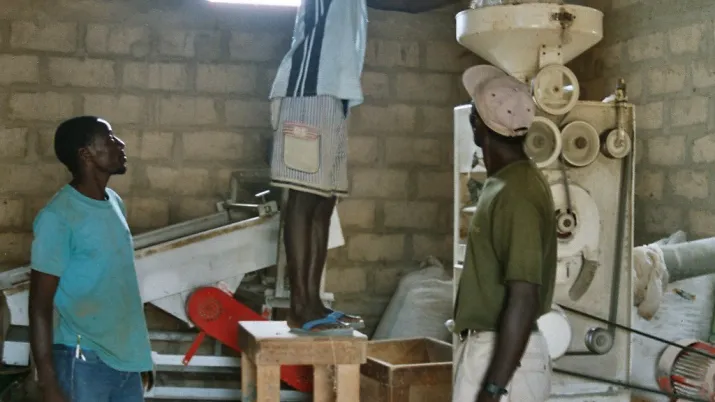
Modernising the agro-industrial sector in sub-Saharan Africa is a social, political and economic necessity
Modernising the agro-industrial sector in sub-Saharan Africa is a social, political and economic necessity requiring the introduction of effective agricultural policies, support for the formation of v...
News
Published on
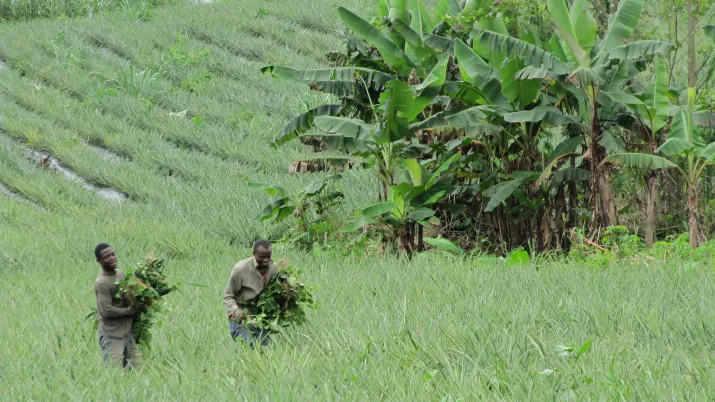
Pioneer role of DFIs in sub-Saharan Africa
Growth in emerging markets is currently leading the financial development institutions (FDIs) to re-focus their efforts on low-income countries – bringing sub-Saharan Africa to the fore once again. FD...
News
Published on

Private equity and SMEs: an instrument for growth
Stabilising growth in Africa – growth which is real but fragile – depends partly on the dynamism of SMEs, which receive little in the way of private equity support. Funds' profitability can be enhanc...
News
Published on

The transparency challenge facing private equity
When hedge funds are set up in offshore centers, they benefit from favorable conditions when investing in Africa. Their investments may spur economies, but short-term profit targets, the lack of trans...
News
Published on

Living with an investment fund – the company perspective
From the decision to open up its equity capital to the withdrawal of the private equity fund four years later, step by step SOMDIAA reveals the four stages of this marriage of two worlds, and shows ho...
News
Published on