
Search results
Patent pooling mechanism: promote innovation and improve access to medicines in Africa
"Public health" oriented licenses and patent pooling in Africa promotes research and production of affordable, high quality generic treatments for AIDS, hepatitis C and tuberculosis.
News
Published on

Regulating African pharmaceutical markets in order to structure and develop the local economy more effectively
The market for medicine is one of the world’s most closely regulated: each country has its own system for vetting new products and in Europe for example, certain accreditations can open the door to th...
News
Published on

From Warehouse to Patient: mPharma’s Approach to increasing the Accessibility of Medicines in Africa
Since 2013, the start-up mPharma has been trying to build an infrastructure and a drug monitoring system to connect patients, hospitals and pharmacies. The objective is to enable doctors to know the e...
News
Published on
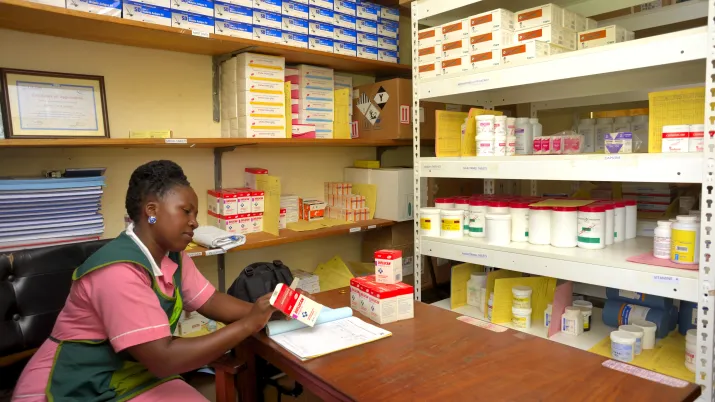
The essential transformation of supply chains in the sub-Saharan pharmaceutical sector
In Sub-Saharan Africa, integrated technology-enabled distribution networks can increase access, enhance quality and lower the prices of medicines.
News
Published on
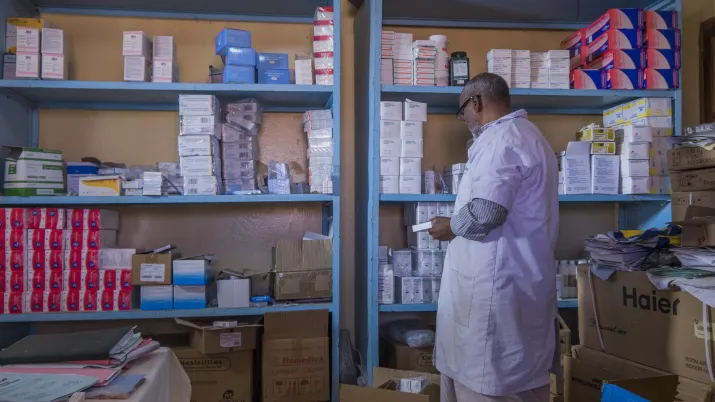
Helping the pharmaceutical industry meet health challenges in Africa
With 13% of the world’s population and 24% of the global burden of disease – but 6% of health expenditure and only 3% of the world’s pharmaceutical output, Africa faces the challenge of access to qual...
News
Published on
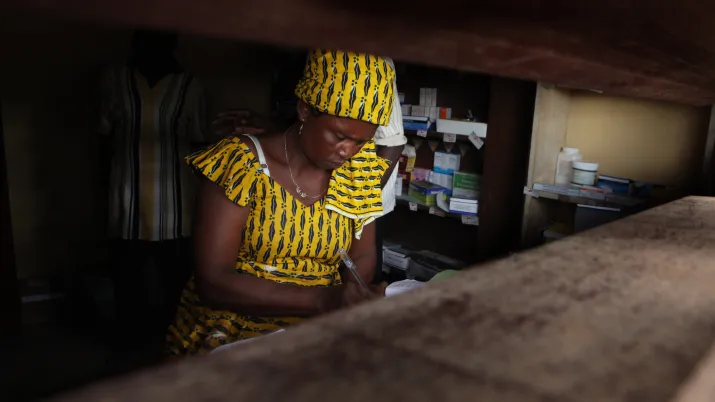
The obstacles to local production and access to treatment in Africa
Access to proper medicine is a major challenge for African countries. While the global market is mature and highly profitable, the African Continent has been left far behind despite enormous needs and...
News
Published on
Agri-businesses must act in a sustainable manner to develop African agriculture
The urgent need to develop African agriculture is hardly breaking news however current climate and environmental challenges have now pushed new priorities to the fore. Maintaining African smallholder...
News
Published on
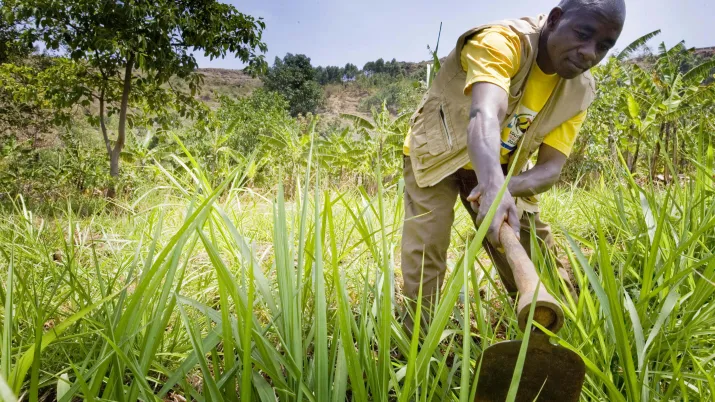
Access to quality seeds: the example of local seed ventures in Malawi
For Sub-Saharan African smallholder farmers, poor harvests can frequently be attributed largely to poor quality seed. But providing varied, high-quality seed is one of the most efficient and cost-effe...
News
Published on

The private sector and pharmaceutical industry in Africa
Providing access to quality medicines still poses a number of challenges in Africa. Distribution channels are often fragmented, with a large number of intermediaries or parallel channels, which often...
News
Published on
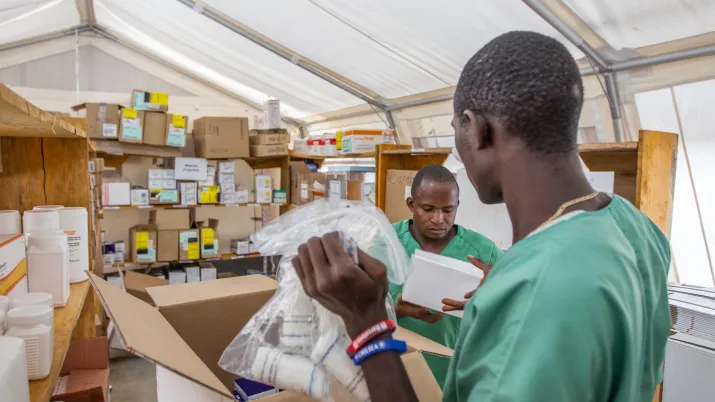
Private equity and TA, a winning combination for SMEs
Is it still possible to envisage SME development in Africa without providing technical assistance as well as financial investment? After all, it is thanks to technical assistance programmes that priva...
News
Published on

Achieving impact through technical assistance
Economic development can be directed into emerging markets by promoting private sector engagement. By providing technical assistance to companies, industries, and governments, development finance inst...
News
Published on

Combining funding and technical assistance
Development finance institutions sometimes provide their clients with technical assistance to strengthen their capacity in governance, management and financial administration. While the use of public...
News
Published on

Curb carbon footprint and promote development: a tricky balance
The cement industry is both a driver for economic expansion in developing countries and a large CO2 emitter. What approach should development finance institutions adopt in order to curb the carbon foo...
News
Published on

The positive impacts of a responsible cement industry
Growing urbanization creates ever-increasing needs for cement. The cement industry holds some advantages that can allow it to meet this demand, limit its carbon footprint and participate in the develo...
News
Published on

Earthen construction, an additional way to house the planet
Building locally using earth could be one solution to the construction needs of the world's population. Raw earth is available in many places on the planet and answers the major contemporary ecologica...
News
Published on

Reducing cement's CO2 footprint
The manufacturing process for Portland cement causes high levels of greenhouse gas emissions. However, environmental impacts can be reduced by using more energy-efficient kilns and replacing fossil en...
News
Published on

Financing cement achieves sustainable development
Cement production plays an important role in the development of a country, but it is also energy-guzzling and polluting. EIB has implemented selection criteria that promote environmental and social re...
News
Published on

Concrete, a solution for sustainable construction
Concrete is being revolutionized in order to contribute to the immense transformation that needs to take place in the construction world, which is a high emitter of CO2. When we consider the global en...
News
Published on

Cementing the foundations of growth
The cement sector is evolving rapidly. Consumption is increasing, boosted by demand from emerging countries; consolidation is being scaled up almost everywhere. Production continues to be mainly local...
News
Published on

Mixed results for private sector participation in Africa's railways
Africa's railways face competition from roads and need to be modernized. Their diversity means that reforms must be conducted on a case-by-case basis; private participation can also take a variety of...
News
Published on
