Search results
580 results for "notre strategie"
Helping the pharmaceutical industry meet health challenges in Africa
With 13% of the world’s population and 24% of the global burden of disease – but 6% of health expenditure and only 3% of the world’s pharmaceutical output, Africa faces the challenge of access to qual...
News
Published on
Supporting sustainable air transport innovations
Air transport is vital for local and global economic development. It plays a key part in regional integration and generating jobs. In terms of the environment, energy and climate, the sector has set i...
News
Published on

Fastjet, a low-cost airline flying high in Africa
The low-cost airline model has experienced rapid growth right across the aviation sector with the notable exception of Africa. With the rise of Africa’s middle classes and the gaps in its road network...
News
Published on

Protecting biodiversity for The Long Run, a holistic approach?
Faced with the current biodiversity and climate crises, privately protected areas, which play a pivotal role in biodiversity conservation, can improve the resilience of the conservation sector. The pr...
News
Published on

Entrepreneurs from the diaspora are ramping up innovation-led development in Africa
The African diaspora is a unique resource that must be harnessed. Aside from channelling financial flows back to their countries of origin, thanks to experience acquired abroad and familiarity with th...
News
Published on

Why and how does Orange finance innovation in Africa?
Africa, which has already experienced some entrepreneurial success stories, is powering up and seeing the emergence of a new generation of entrepreneurs in innovation. However, digital Africa still fo...
News
Published on

The aviation sector in Africa - How can it be funded?
Because of the capital-intensive nature of the business, raising adequate finance is one of the major challenges facing Africa’s aviation sector. Local banks frequently lack the necessary resources or...
News
Published on

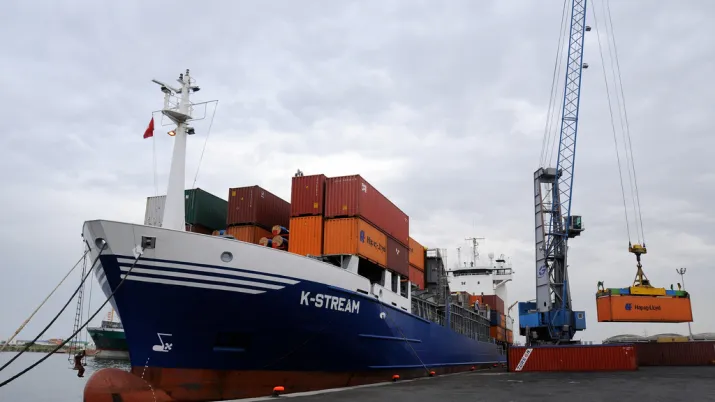
Growth in containerisation signals a modernisation of African ports
Port logistics in Africa are rapidly shifting from conventional transport to containerisation. A number of modernisation projects are under way at existing ports, and new infrastructure is emerging. W...
News
Published on
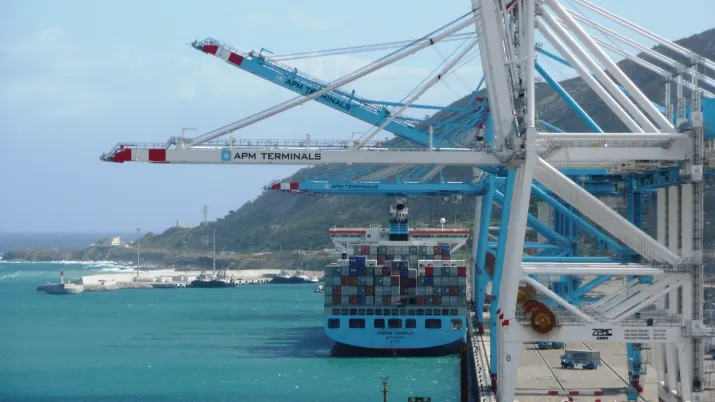
Legal instruments to support the development of African ports
Governed chiefly by concession and permit agreements, the legal instruments underpinning public-private partnerships (PPP) in the African port sector are often inappropriate. These need to change in o...
News
Published on
Ventures Platform Secures $64M First Close for Pan-African Fund II to Power Africa’s Next Tech Wave, with supp...
Ventures Platform, Africa’s leading seed-stage fund, has announced the $64 million first close of its second fund, VP Pan-African fund II, aimed at deepening seed investments, catalysing Series A roun...
News
Published on

Amethis, Proparco, ccap.ai and management announce the acquisition of Vertice MedTech, a leading independent d...
Amethis, Proparco, ccap.ai and management are proud to announce the completion of their investment in Vertice MedTech Holdings (“Vertice”).
News
Published on

Private equity and TA, a winning combination for SMEs
Is it still possible to envisage SME development in Africa without providing technical assistance as well as financial investment? After all, it is thanks to technical assistance programmes that priva...
News
Published on

Curb carbon footprint and promote development: a tricky balance
The cement industry is both a driver for economic expansion in developing countries and a large CO2 emitter. What approach should development finance institutions adopt in order to curb the carbon foo...
News
Published on

Improving concession contracts in sub-Saharan Africa
Thanks to its experience in Africa's rail sector, the European Investment Bank can determine optimal conditions for implementing a concession. The conceding authority must first and foremost be strong...
News
Published on

Railway concessions in Africa : difficulties encountered and possible solutions
Although railway lines may offer a great economic interest for certain African States, private players such as Bolloré Group, which manages Sitarail and Camrail under concessions, have to face a whole...
News
Published on

Towards an intercultural approach to CSR in Africa
By virtue of their specific cultural imperatives and practices, African businesses are invested with a social mission, extending beyond their exclusively economic role. At a time when a more corporate...
News
Published on

Public infrastructure: a key driver in supporting private players
In situations of vulnerability and crisis, investment in infrastructure by international development institutions can provide a solid base to support the recovery and reconstruction of a State.
News
Published on
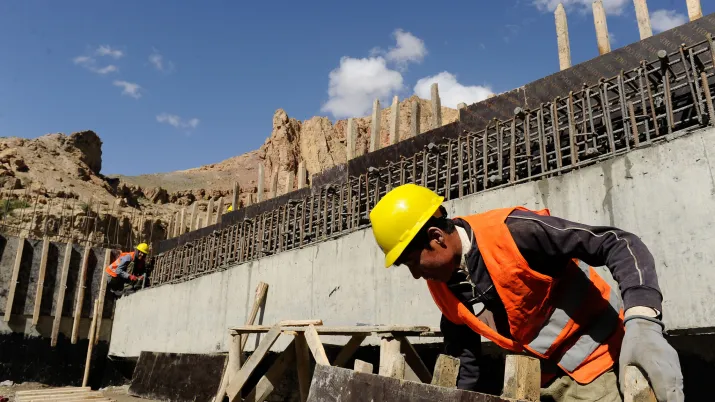
Integrating African ports into international commercial flows: strengths and weaknesses
Increased containerisation of trade, changing infrastructure and more and more mammoth projects... for the past 20 years, African ports have enjoyed huge momentum. But the obstacles hampering developm...
News
Published on
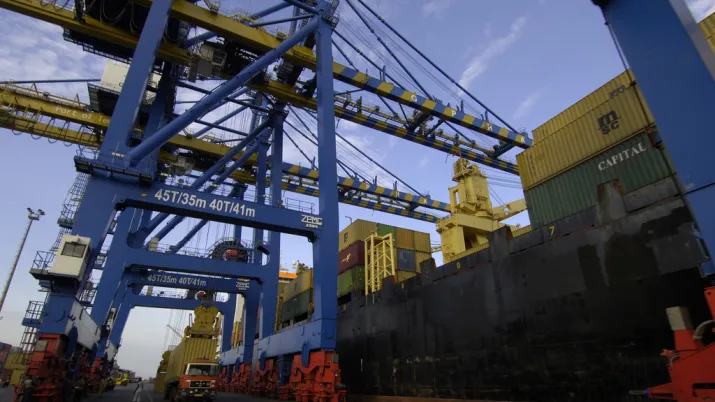
Yield and climate-linked insurance - a boon for small farmers
Insurance based on yield or weather indexes is a way of protecting small farmers in developing countries against natural risks. This innovation has the potential to improve their living conditions and...
News
Published on

A New Generation of Public-Private Partnerships for Drinking Water and Sanitation in Developing Countries
There is a gradually rising trend in developing countries towards more professionally managed urban drinking water services as a result of delegation to private companies. The integration of a new gen...
News
Published on