Search results
580 results for "notre strategie"
The role of development finance institutions in good governance for microfinance
Development finance institutions, via their involvement in the sector, give microfinance greater access to private financing. They also play a decisive role in the governance of microfinance instituti...
News
Published on

Counterfeit drugs – a global public health scourge
Along with Asia and Latin America, Africa is currently one of the regions most affected by the trade in counterfeit drugs which account for almost one-third of pharmaceutical products on sale in these...
News
Published on

The diversity of social business: the case of Madagascar
Despite a troubled macroeconomic and political environment, Madagascar possesses a fairly diversified, dynamic economic fabric in comparison to other countries with a similar level of development. Thi...
News
Published on
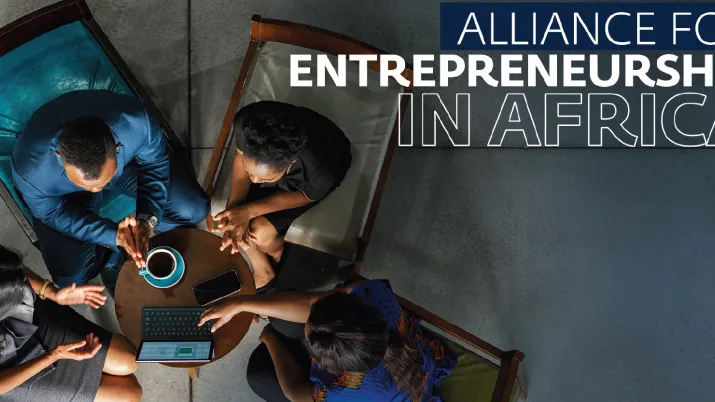
Proparco, IFC, African and European Partners Launch Alliance to Support Private Sector Growth in Africa
To support a stronger private sector, entrepreneurship and the growth of small and medium-sized businesses across Africa, African, European, multilateral and bilateral partners today launched the Alli...
News
Published on
Proparco and Digital Africa join forces to provide a range of financing solutions for startups "Made in Africa...
As part of its 2022-2025 roadmap, Digital Africa will support 200 African startups at different stages of their growth with a wide range of offers at their disposal. Thanks to a joint and sustainable...
News
Published on

International Collaboration of DFIs agree new steps to increase the resilience of economies threatened by the ...
The Group of G7 Development Finance Institutions working together under the DFIs+ Adaptation and Resilience Collaborative has put forward a practical plan to the G7 on actions to accelerate investment...
News
Published on

Privately-produced renewable energy in Africa: a credible alternative to traditional projects?
In Africa, many independent energy supply projects have grown up alongside state-controlled programmes. Sector-based reforms designed to boost production of renewable energies have been a boon for suc...
News
Published on

Implementing Smart Cities in Africa: a project framework
According to the International Telecommunications Union and the UN, a smart city is, “... an innovative city that uses … ICT and other means to improve quality of life, efficiency of urban operation a...
News
Published on

Reducing cement's CO2 footprint
The manufacturing process for Portland cement causes high levels of greenhouse gas emissions. However, environmental impacts can be reduced by using more energy-efficient kilns and replacing fossil en...
News
Published on

Africa: on the way to CSR
Nowadays the concept of CSR is becoming increasingly widespread and is endorsed by a growing number of economic actors. Yet awareness levels in sub-Saharan Africa remain low, and few businesses implem...
News
Published on

Good corporate governance practices: constantly developing
Corporate governance appeared in the 1970s and has become a core component of the functioning of the private sector. It is both a process and a conceptual and organizational framework and is based on...
News
Published on

Good links to the hinterland: the key to efficient overland transport
Good links between ports and their hinterland is one of the key catalysts driving growth and opening up different regions of Africa. Rail and roads – with all their respective advantages – compete to...
News
Published on
Under what conditions do labels support development? The example of coffee
The coffee sector, a source of income for 25 million producers around the world, is faced with social and environmental challenges which have led to it being a focus of attention for certifications an...
News
Published on
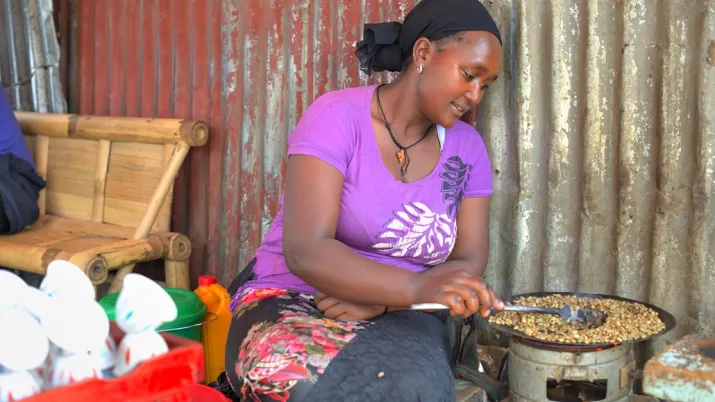
Technical assistance: the outlook for a strategic tool for development finance
Technical assistance (TA) is the non-commercial support provided by a DFI to develop capacity and effectiveness. It complements funding to maximise development impact, contributing to achieving the Un...
News
Published on

Non-Revenue Water is water wasted - is resource wasted
About a third of the world’s drinking water supplied to water utilities is lost before it reaches any users. This loss, referred to as Non-Revenue Water (NRW), is the most crucial metric in the manage...
News
Published on

Private Sector Opportunities in Developing Country Healthcare
Healthcare demand in Africa cannot be fully met by the public sector. Substantial investment will be needed to meet the growing demand – largely from low and middle-income households, which comprise 7...
News
Published on
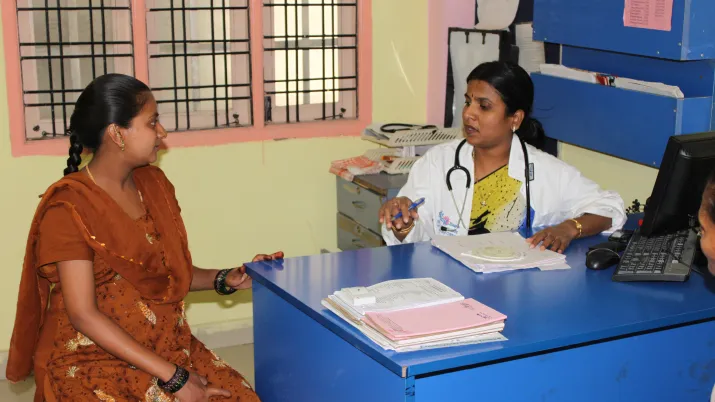
SME Finance as seen by regulators : Focus on Sub-Saharan Africa
Access to finance for African SMEs is a key challenge. Through this article, the Alliance for Financial Inclusion (AFI) aims to share the experiences and practices of member countries that have implem...
News
Published on
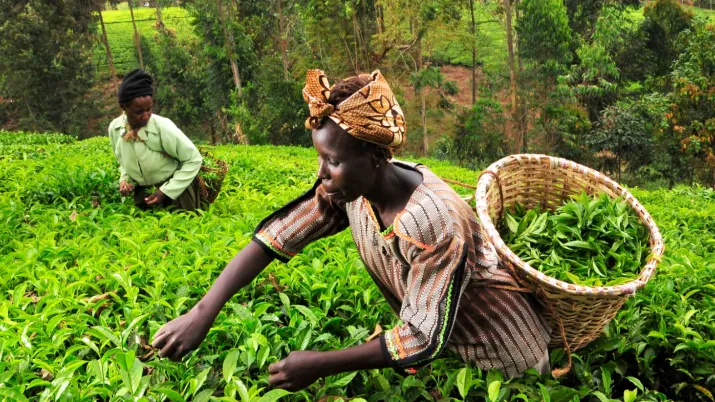
An example of commitment to good governance: DFIs and corporate governance support
With the collaboration of the CGDF Working Group: Marta Viegas-Rocha (IDB Invest), President; Sanaa Abouzaïd (SFI); Elisabeth Alpe (ADB); Vassilis Christakis (BSTDB); Andres Oneto (CAF); Shirley Payet...
News
Published on
Improving energy efficiency and minimising the effects of climate change in the hospitality sector
Hospitality is one of the most energy-intensive sectors in real estate. In many markets in Africa, energy represents a significant burden on profitability, yet the sector has never fully embraced ener...
News
Published on